5 min read
WebX Tokyo 2023 Recap: What Japan's Web3 Push Looked Like Up Close
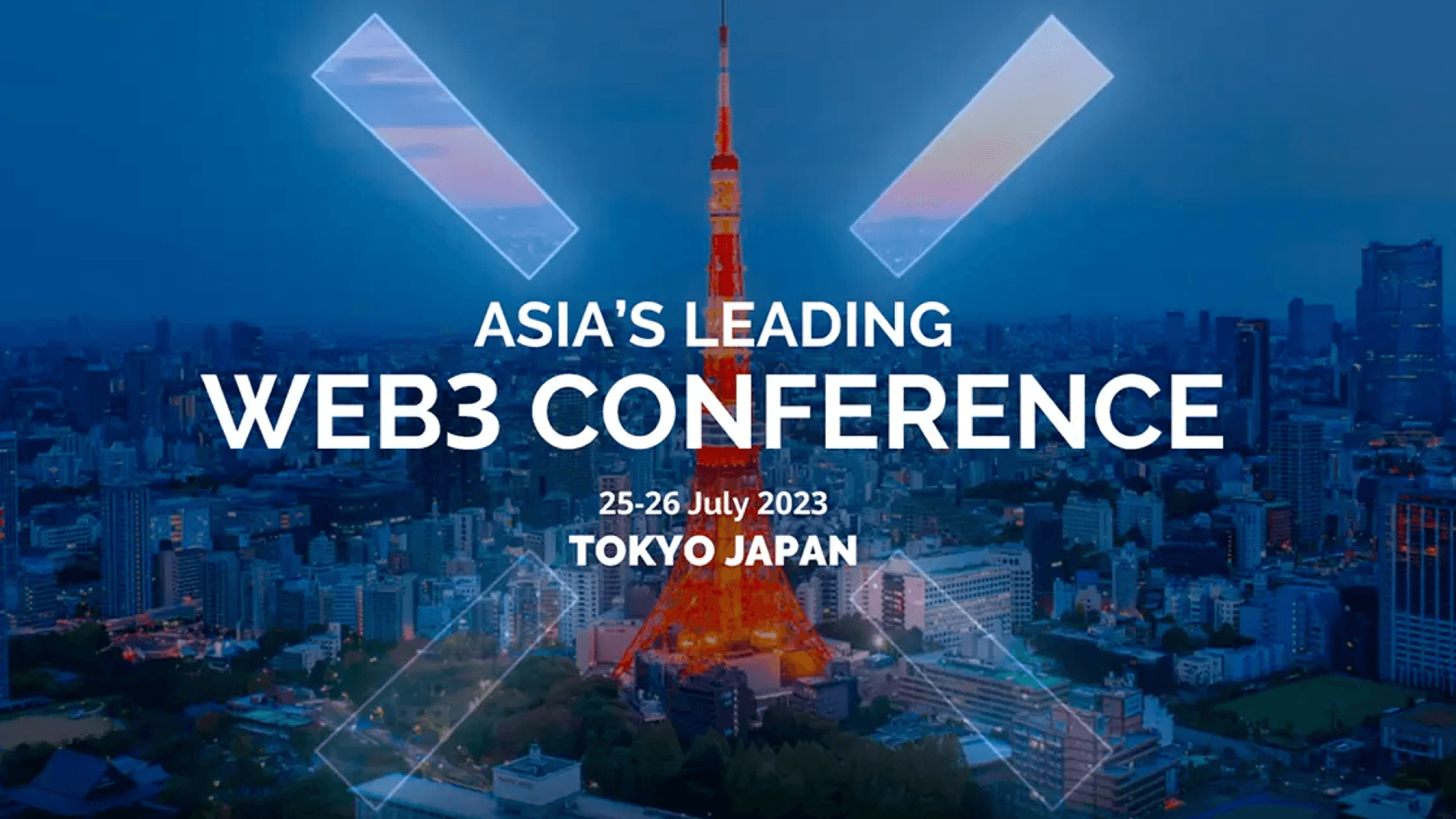
Last July, Tokyo International Forum spent two days as the biggest Web3 stage in Asia. WebX 2023 pulled in 16,500 attendees, 290 speakers, and 372 sponsors across July 25 and 26. The numbers were a story in themselves, but the bigger one was political. Japan was using the event to signal that it wants to be Asia's Web3 hub.
The regulatory undertone
Prime Minister Fumio Kishida opened the conference by video, calling Web3 "a new form of capitalism" and tying it to economic growth. Industry minister Koichi Hagiuda followed, reaffirming Japan's commitment to investor protection alongside support for domestic Web3 builders and citing programs like Start Next Innovator.
None of this was throwaway. Until early 2023, Japanese token issuers were taxed around 30 percent on unrealised gains on tokens they had not sold. The rule had pushed at least 20 Japanese crypto firms to relocate overseas by August 2022. The June 2023 reform that removed it was the structural fix sitting beneath every keynote on the main stage. Japan has decided regulation is a competitive lever. Get the rules right, and capital follows.
Who actually showed up
The speaker line-up made the event's centre of gravity clear. Changpeng Zhao represented the centralised exchange world, still pre-resignation at the time. Justin Sun spoke for Tron. Jeremy Allaire of Circle and Rune Christensen of MakerDAO carried the stablecoin and DeFi infrastructure conversation. Daniel Alegre of Yuga Labs covered IP and consumer NFTs, and Ryan Zarick from LayerZero rounded out the cross-chain side. Heavy on infra, stablecoins, and IP. Lighter on retail and consumer apps, which tracked with where the market actually was in mid-2023.
What we kept hearing on the floor
Three conversations came up repeatedly.
The first was custody. With $8.9 billion in customer assets missing at FTX eight months earlier, Japanese exchange operators were still working through the implications and the regulatory tightening that followed. The questions weren't theoretical. Teams wanted to know how to run hot and warm wallets at scale without holding single-key risk on operator devices, and how to evidence segregation in a way an FSA examiner would accept.
The second was stablecoins. With Japan's stablecoin law set to take effect, payment teams and fintechs were sketching out yen-pegged and USD-pegged use cases they hadn't been able to build before. Most needed compliant rails to issue, custody, and settle. Most did not want to build it themselves.
The third was wallet infrastructure for new exchanges. A consistent pattern across Korean, Hong Kong, and Southeast Asian operators: nobody wants to spend twelve months building wallet infrastructure from scratch when the real work is listings, liquidity, and licences. The WaaS conversation has moved from "is this safe?" to "how fast can you onboard us?"
Asia isn't one market
The Tokyo floor made this obvious. Japanese teams led with compliance. Their first questions were about FSA alignment, audit trails, and how a custody architecture would hold up under regulator review. Korean operators sat closer to the other end of the spectrum, focused on speed and listing throughput, with compliance treated as a follow-on workstream. Southeast Asian teams were sharper on cost pressure, asking detailed questions about per-transaction economics and chain coverage rather than governance. Hong Kong attendees leaned institutional, with most conversations circling VASP licensing and how custody design intersects with the new licensing regime.
The fragmentation is not subjective. Chainalysis's 2022 Global Crypto Adoption Index put seven Asian countries in the top 20: Vietnam at number one, the Philippines at two, India at four, Pakistan at six, Thailand at eight, Nepal at sixteen, Indonesia at twenty. Different drivers, different user bases, different regulators. Running one product narrative across all of them does not work, and two days at WebX made the contrast easier to see than a quarter of customer calls usually does.
What we took back
WebX 2023 was the first time Japan's Web3 ambition felt coordinated rather than aspirational. The policy signal from the top, the tax reform underneath it, and the depth of the speaker bench pointed the same direction. For teams building the picks-and-shovels layer of Asian crypto, the conference confirmed something we'd been hearing in customer conversations all year. The next wave of exchanges, fintechs, and payment platforms in this region will not build their own wallet infrastructure. They will buy it. Tokyo made the demand visible at scale.
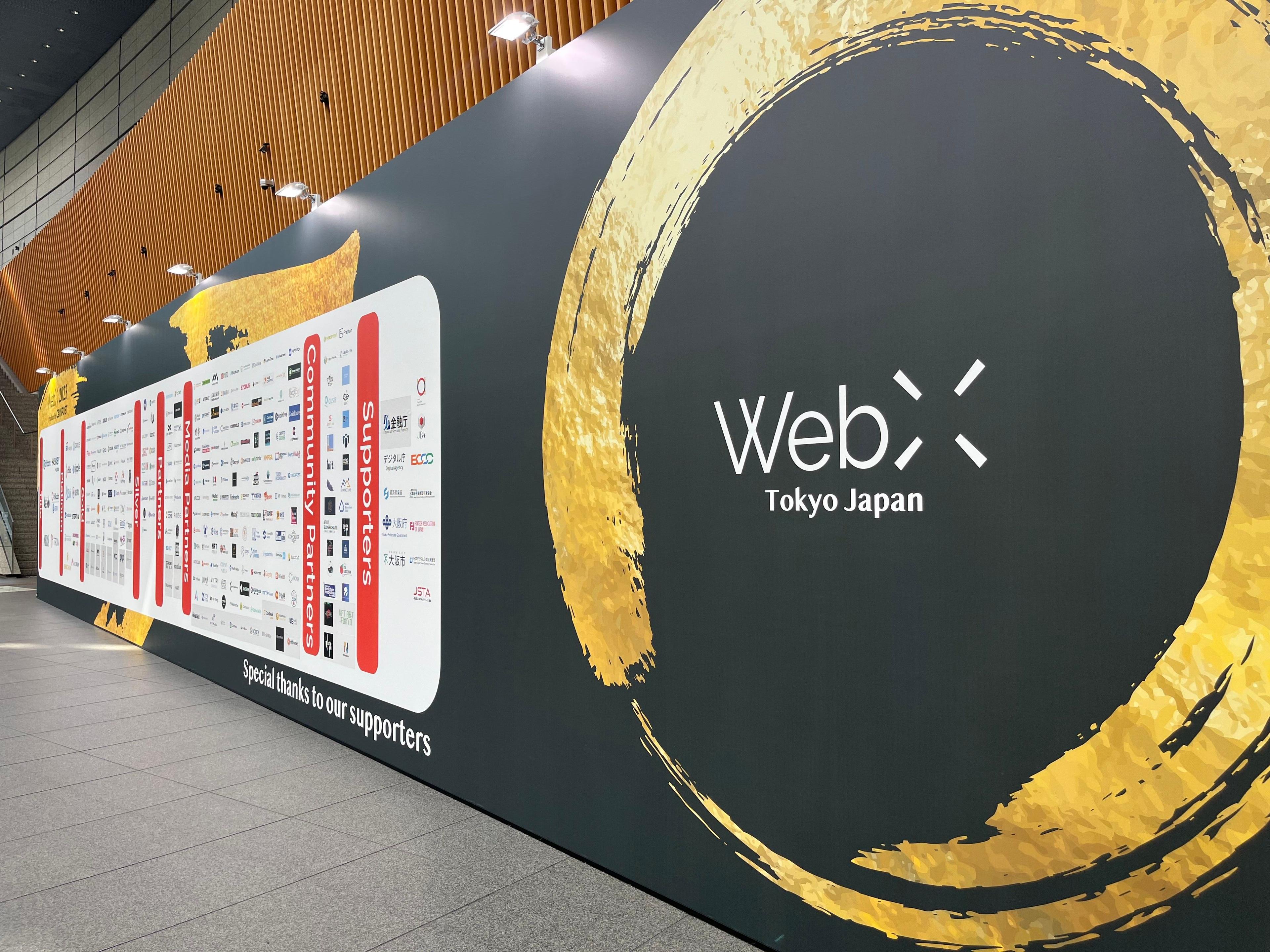
we're here!
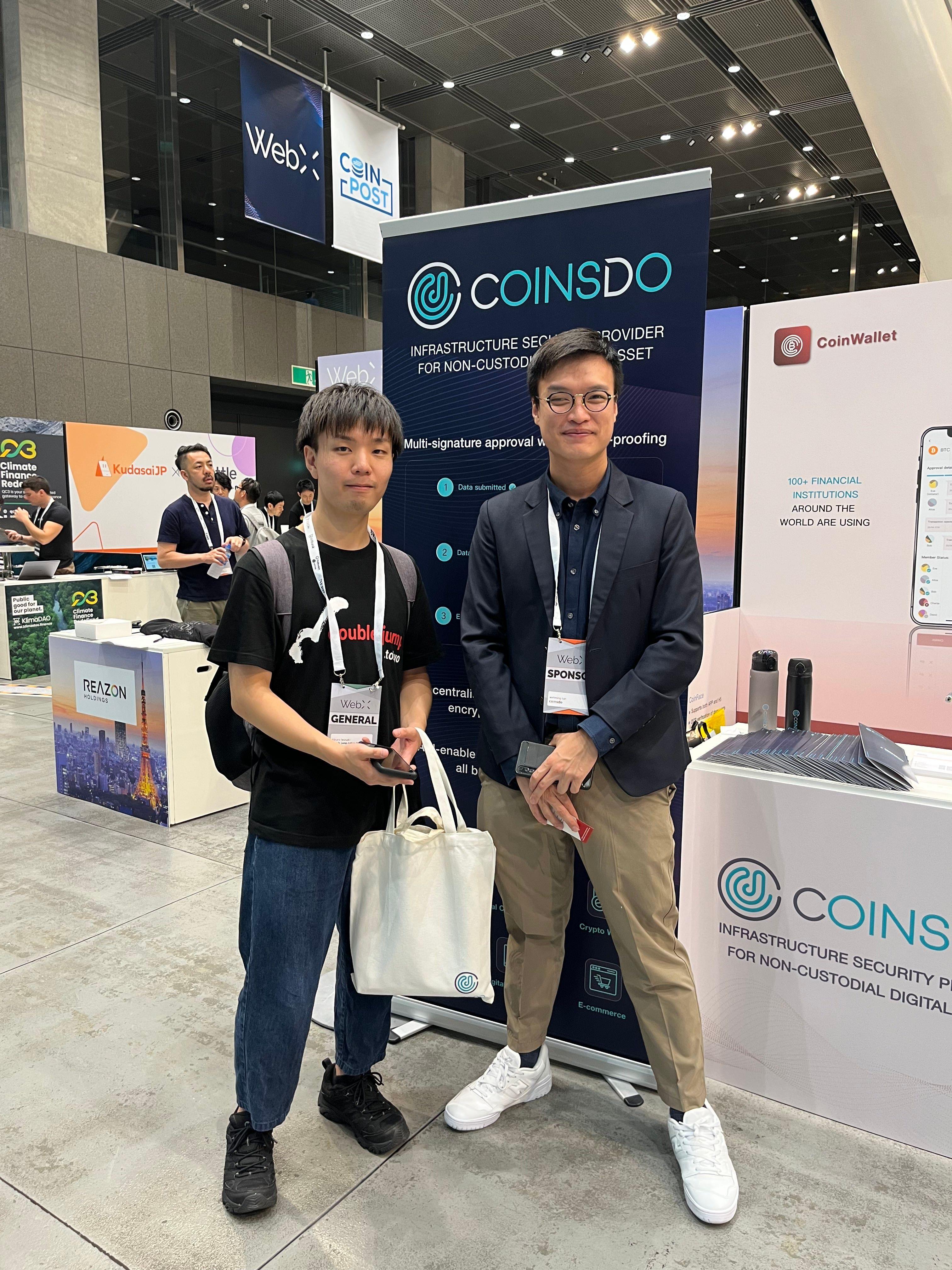
Always glad to meet new people here
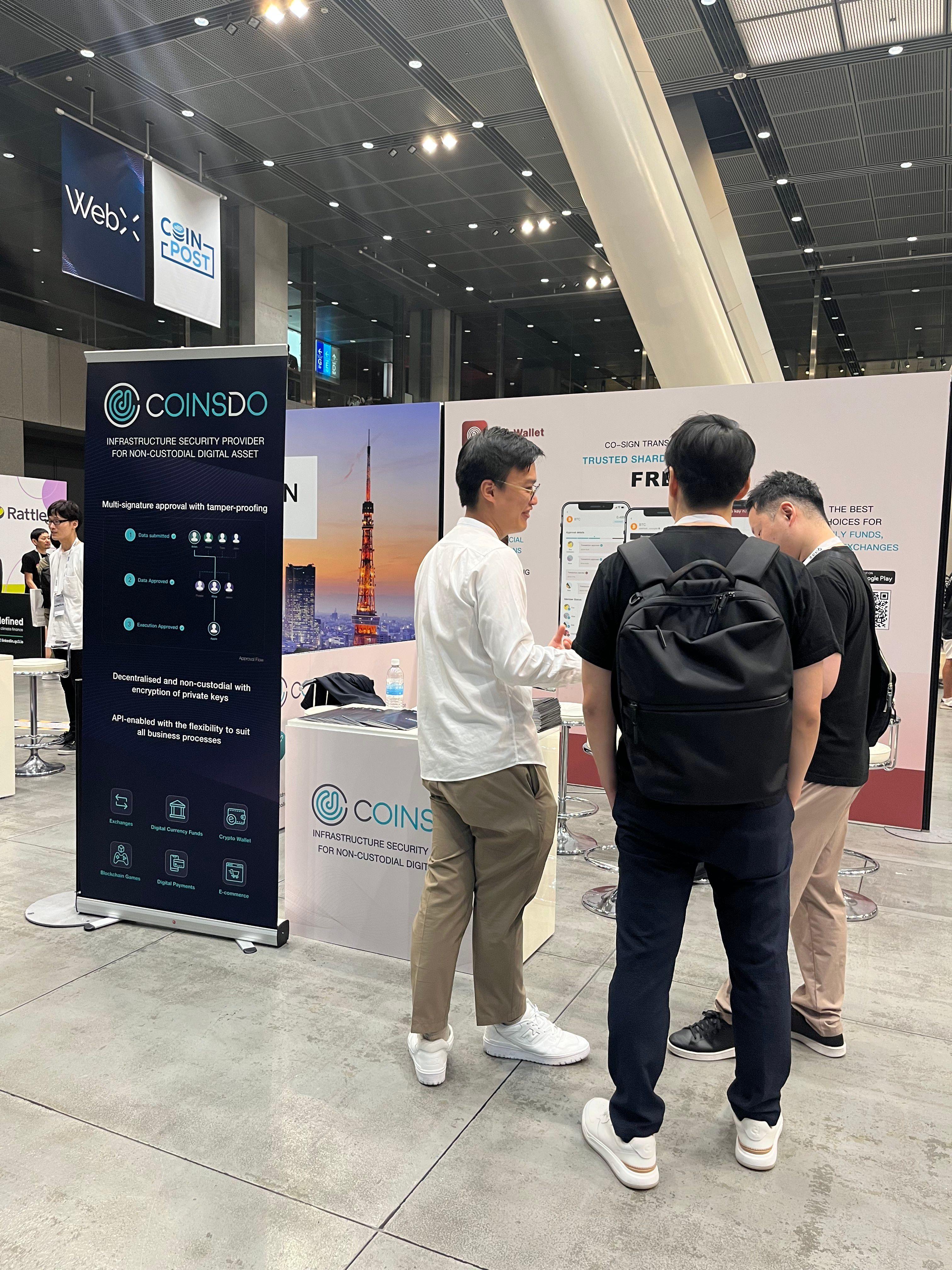
Hard at work
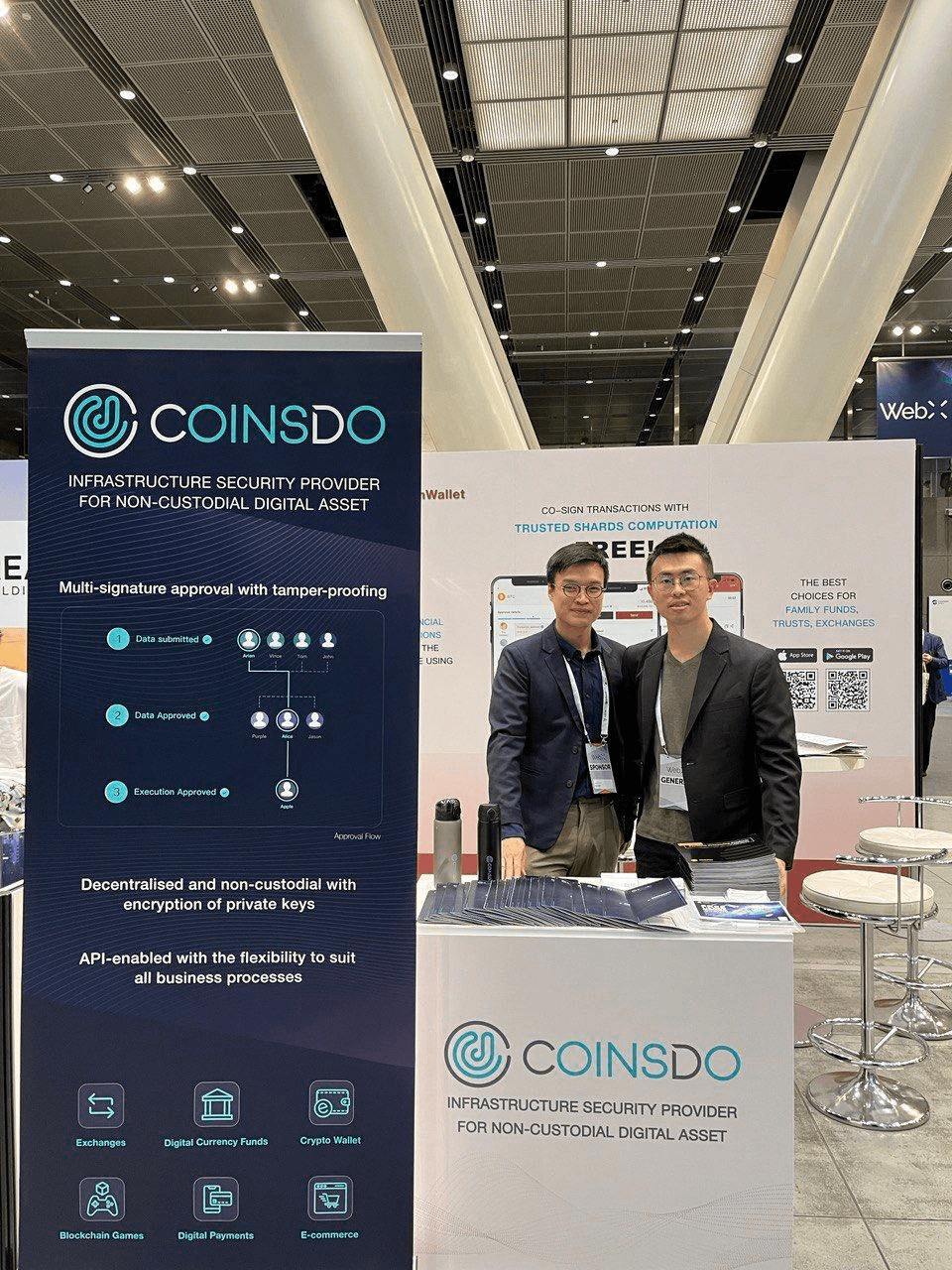
It's a wrap!